One account for everything Apple.
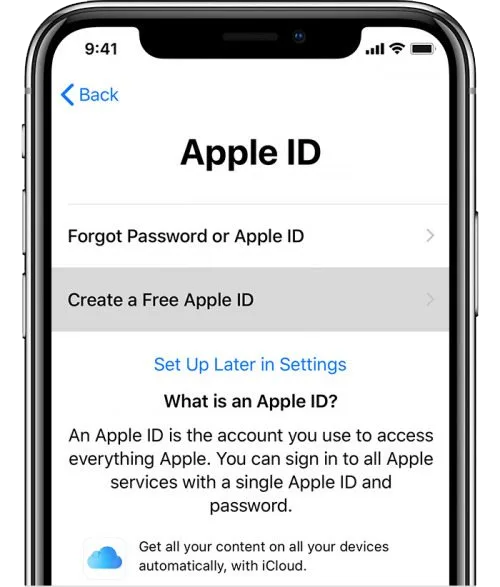
appleid.apple.com: Complete Guide to Apple ID Sign In, Login, Password Reset & 2FA
If you’ve ever needed to update your name, change your password, check trusted devices, or secure your account, appleid.apple.com is one of Apple’s main web pages for managing your Apple Account (Apple ID). It’s also a common place people try when they’re stuck with Apple ID sign in problems, Apple ID login errors, or they want an Apple ID password reset.
This guide is written in easy English and walks you through the most common tasks people do on appleid.apple.com—step by step—plus quick fixes for login issues and a simple explanation of Apple ID two factor authentication (2FA). Apple’s official guidance focuses heavily on security, trusted devices, and safe recovery steps, so we’ll follow that same approach.
What is appleid.apple.com and when should you use it?
You typically use appleid.apple.com when you want to:
- Review your account details (name, phone numbers, emails on file)
- Update password and security settings
- Manage trusted phone numbers / trusted devices for security
- Confirm account protection features (like 2FA)
- Check account access if you’re signing in from a new browser/device
Apple also provides other official paths for specific tasks (like resetting a password from your iPhone settings), but appleid.apple.com remains a central place people use for appleid apple com sign in and account updates.
Important security note (simple but serious): Always type appleid.apple.com carefully and avoid look-alike websites. Never share your password or verification codes with anyone.
2) appleid.apple.com sign in: Step-by-step Apple ID login on the web
If you’re trying Apple account sign- in using an Apple account on a browser, these steps match what most top guides show: go to the official page, enter your Apple ID, then complete verification (often with 2FA).
Step 1: Open appleid.apple.com (official site)
- Open your browser (Chrome, Safari, Edge, etc.)
- Type apple.com in the address bar (not a search ad, not a random link)
- Press Enter
Step 2: Enter your Apple ID and password (Apple ID sign in)
- Enter your Apple Account email/phone number
- Enter your password
- Continue to sign in (Apple ID login)
Apple allows sign-in using the email addresses or phone numbers linked to your Apple Account.
Step 3: Complete Apple ID two factor authentication (if enabled)
Most accounts use Apple ID two factor authentication. When you sign in on a new browser or device, Apple will ask for a 6-digit verification code.
You may see a sign-in prompt on a trusted device (iPhone/iPad/Mac). Tap Allow to view the code and enter it in the browser.
Step 4: Review or update your account settings after login
Apple ID password reset: easiest ways (trusted device first)
If you forgot your password, Apple strongly prefers password reset from a trusted device that is already signed in. It’s usually faster and smoother than web-only recovery.
Option A (Best): Reset password on iPhone/iPad (trusted device)
Apple’s official steps (easy version):
- Open Settings
- Tap your name
- Tap Sign-In & Security
- Tap Change Password
- Follow the on-screen instructions
Option B: Reset password on Mac (trusted Mac)
On Mac, you can use Apple Account settings to change password/security. Apple provides Mac help guidance for “Forgot Password” flows and account website guidance as well.
Option C: Reset on the web when you don’t have a trusted device
Option D: Account recovery (when reset doesn’t work)
If you use two-factor authentication and can’t sign in or reset your password, Apple may place you into account recovery with a waiting period to regain access.
Tip (important): Don’t trust random websites that claim they can “unlock” your Apple ID instantly. Use Apple’s official recovery paths and keep your verification codes private.
Apple ID two factor authentication: how it works, how to get codes, and how to stay safe
Apple ID two factor authentication (2FA) is an extra security layer designed to ensure only you can access your Apple Account—even if someone knows your password. When you sign in on a new device or browser, you need both:
- Your password
- A 6-digit verification code
How verification codes appear (most common)
When you sign in somewhere new (including appleid.apple.com), Apple sends a sign-in notification to your trusted devices. Tap Allow to see the code and enter it.
How to get a code manually (even if offline)
Trusted devices and trusted phone numbers (simple explanation)
- Trusted device: An Apple device already signed in with 2FA; it can show verification codes.
- Trusted phone number: A phone number that can receive verification codes via SMS or call.
Extra security options: recovery key / security keys (optional but powerful)
For advanced users, Apple supports:
- Recovery key (a 28-character code) that changes how recovery works and requires strong personal control.
- Security keys (physical keys) as part of two-factor authentication on supported accounts.
Safety checklist (quick, practical)
To keep your appleid.apple.com access secure:
- Use a strong password and don’t reuse it elsewhere
- Never share verification codes (even if someone says they are “Apple support”)
- Keep trusted phone numbers updated
- Sign out from public/shared computers after Apple ID sign in
Common appleid.apple.com sign in problems and quick fixes
Here are the most common reasons Apple ID sign in fails on appleid.apple.com, plus what to do:
- Wrong Apple ID email/phone: Confirm the exact email/phone on your account (check Settings on iPhone/Mac).
- Forgot password: Use the trusted-device password reset method first.
- No verification code arriving: Use “Get Verification Code” from a trusted device.
- Account locked/disabled: Apple says you often need to reset your password to regain access.
- Old browser/cookies issues: Try a private window, clear cookies for Apple sites, or use another browser (simple troubleshooting that often helps web sign-in).
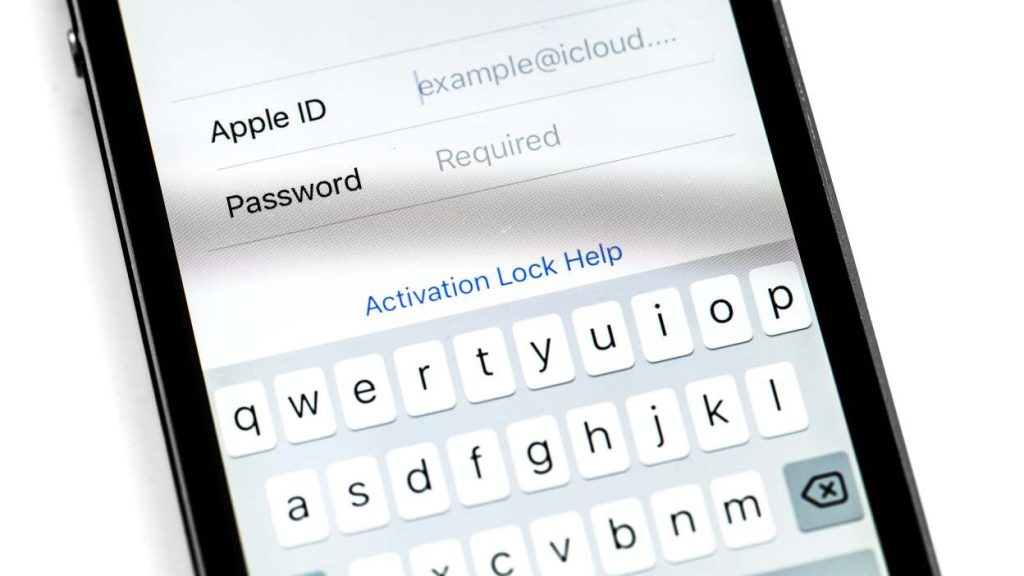
Sure — here’s more content you can add below your current article to make it longer, richer, and closer to what Google top results cover (security, trusted devices, recovery, and common fixes). I’m keeping the same style: proper headings, easy language, bullet points, and “images for each step” (placeholders + alt text). All guidance is aligned with Apple’s official support pages.
What you can manage after appleid.apple.com sign in (Account settings checklist)
After you complete appleid.apple.com sign in, you’ll usually land on an account dashboard where you can view and update important details. Apple’s support guidance highlights that the most secure way to update key details is often through a trusted device, but the web is still useful for checking and managing your Apple Account information.
A) Update personal information (name, birthday, region)
You may see options to review:
- Name
- Date of birth
- Region/Country settings (some things may depend on your Apple services setup)
B) Manage Sign-In & Security settings (most important)
In most Apple Account layouts, security settings include:
- Password
- Two-factor authentication
- Trusted phone numbers
- Trusted devices
C) Review devices signed in to your Apple Account
This is a security habit that many top guides highlight:
- Check your list of signed-in devices
- Remove devices you don’t recognize (if the option appears)
- Change your password if anything looks suspicious
D) Update email addresses and phone numbers used for sign-in
Apple ID login not working on appleid.apple.com? Fix it step-by-step
If your Apple ID login fails (wrong password, no code, locked account, etc.), follow this order. This matches Apple’s official “can’t sign in” guidance: verify your sign-in info, reset password if needed, then handle 2FA/code issues, then account status issues.
Step 1: Confirm your Apple Account (Apple ID) is correct
People often type a different email than the one actually used on the device.
Try these quick checks:
- On iPhone/iPad: open Settings and look at the Apple Account name at the top
- On Mac: System Settings shows the signed-in account
- If you forgot the primary email/phone used to sign in, Apple explains how to find it
Step 2: If password is wrong — do an Apple ID password reset (trusted device first)
Apple’s official reset flow prefers trusted devices and gives web recovery options when needed.
Fastest trusted-device method:
- Settings → your name → Sign-In & Security → Change Password
Step 3: If verification code isn’t coming — use the trusted device code method
Apple explains multiple ways to receive a 6-digit code:
- Code appears on trusted devices during sign-in
- Or receive via text/phone call (if available)
- Or manually generate the code from device settings
Step 4: If account is locked/disabled — follow Apple’s recovery steps
Apple’s “can’t sign in” page also covers:
- Locked/not active/disabled account messages
- What to do next (usually reset password + security checks)
Step 5: If you have no trusted device/number — use account recovery
How to change your Apple Account password after signing in (web + device method)
If you want to change your password (not because you forgot it), Apple supports:
- Changing via trusted device (recommended)
- Changing via the web in some situations (may redirect you to trusted device when possible)
Method A: Change password on iPhone/iPad (recommended)
Steps:
- Open Settings
- Tap your name
- Tap Sign-In & Security
- Tap Change Password
- Enter device passcode (if asked) and set a new password
Method B: Change password on the web (when available)
Apple’s guidance for changing password on the web points users to Apple’s account website and then into Sign-In & Security → Password (depending on what the site allows and your trusted device access).
Password tips (simple and safe)
- Use 12+ characters if possible
- Mix letters + numbers
- Avoid using your name, phone number, or common words
- Don’t reuse old passwords
Manage trusted phone numbers & trusted devices (avoid future login problems)
Many Apple ID login problems happen because:
- The trusted number is old
- The trusted device is lost/sold
- You changed SIM cards
- You don’t get verification prompts anymore
Add/update trusted phone number (iPhone/iPad)
Steps:
- Open Settings
- Tap your name
- Tap Sign-In & Security
- Tap Two-Factor Authentication
- Tap Add Trusted Phone Number
- Verify the number (SMS or call)
Add/update trusted phone number (Mac)
Steps:
- Apple menu → System Settings
- Click your name
- Sign-In & Security
- Two-Factor Authentication
- Add Trusted Phone Number
Why this matters (easy explanation)
Bonus section: Manage “Sign in with Apple” apps (privacy + control)
How to review apps using Sign in with Apple
You can typically find:
- List of apps/websites using Sign in with Apple
- What information you shared (like name/email)
- Option to stop using Sign in with Apple for that app
Bonus section: Didn’t receive password reset/verification email? (Quick fixes)
If you’re waiting for a verification email or password reset email and it doesn’t show up, Apple recommends:
- Check spam/junk folders
- Confirm you’re checking the correct email address
- Verify the email spelling in your Apple Account details (and resend verification if needed)
FAQs (Top questions people ask)
appleid.apple.com is the website used to manage your Apple Account (Apple ID). Apple also calls it “Apple Account” in its latest support content.
Because Apple ID two factor authentication protects your account when you sign in on a new browser/device.
Apple may use account recovery with a waiting period when you can’t reset normally.
Apple’s guidance is to regain access by resetting your password.
Conclusion
If you want a safe, official way to manage your Apple Account online, appleid.apple.com is the right place for Apple account sign in, account updates, and security checks. For most people, the key to smooth appleid apple com sign in is simple: use the correct Apple ID, keep a trusted device available, and complete Apple ID two factor authentication when asked. And if you forget your password, a trusted-device Apple ID password reset is usually the fastest method.